

Transparency in Tea: A Manifesto
Connoisseurs Drive Growth Connoisseurs in any industry drive innovation and growth. This is especially true in the world of tea. Simply by their discerning taste, connoisseurs play an important role in the marketing ground game—educating [...]
The Oolong Compendium
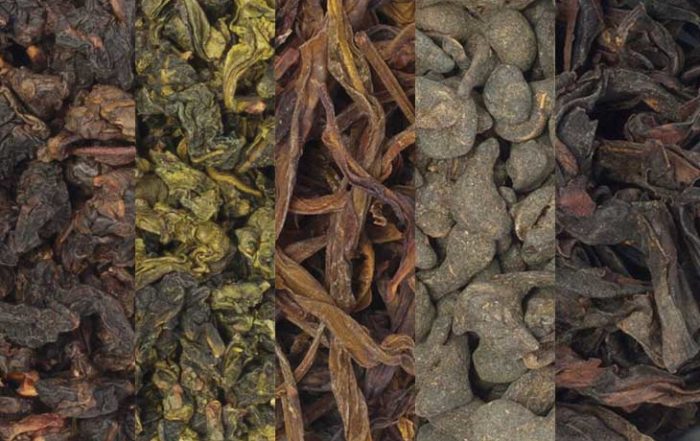
This content is an excerpt from Tony's book, Tea: A User's Guide. For more information on the book, please visit the book's web page. The word Wulong translates to black dragon. The proper pinyin [...]

Nuances of Tea Classification
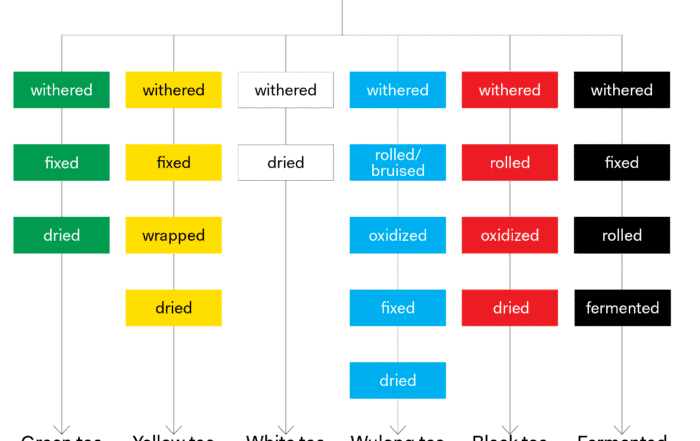
What is a Tea Processing Chart? What is a tea processing chart? A tea processing chart refers to a chart that shows the processing steps that different tea types go through after being plucked and [...]
Tea Processing Chart
Tea processing is the most important quantifier when determining or producing a tea type. Green tea, yellow tea, white tea, wulong tea, black tea and fermented teas all begin as fresh Camellia sinensis leaves [...]

A New Look at Tea Classification
History of Tea Classification Throughout history, tea has been categorized many ways: by the color of the finished leaves, by the color of the tea liquor, and by the percentage of oxidation the tea leaves [...]
Kinetics of Steeping Tea
Steeping is the final step in the lives of tea leaves. And in their final act, they slowly unfold and unravel, creating a beverage that tells the story of where they came from. Every [...]
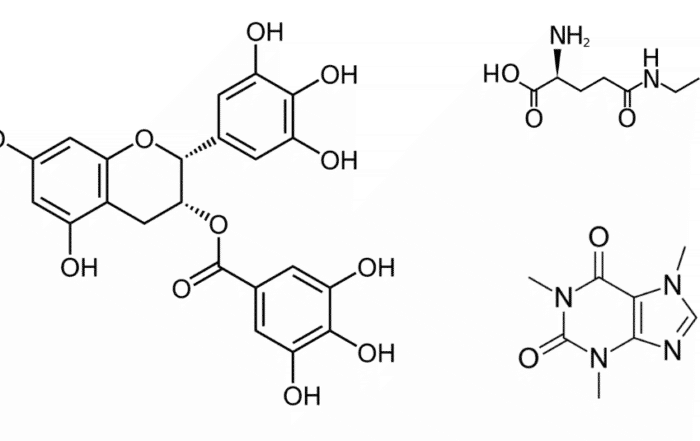
Chemical Compounds in Tea
Tea chemistry is complex. Just how complex? Well, on the bush, tea leaves contain thousands of chemical compounds. When tea leaves are processed, the chemical compounds within them break down, form complexes with one [...]
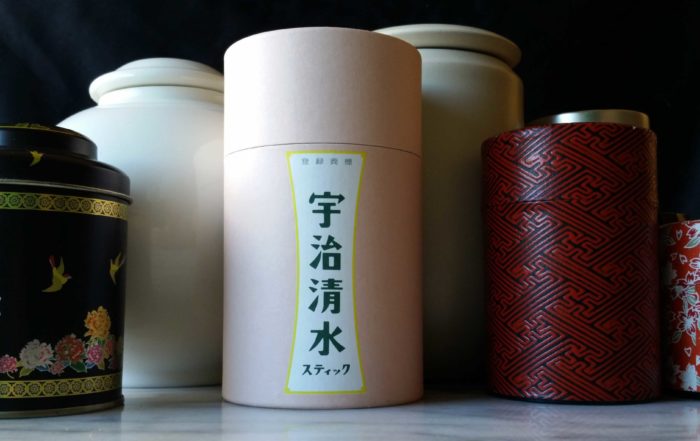
The Six Immutable Laws of Tea Storage
Storing tea can be very simple. If you keep your tea in an airtight container and then store your container in a dark, cool, dry place free from strong odors, you will likely consume it [...]
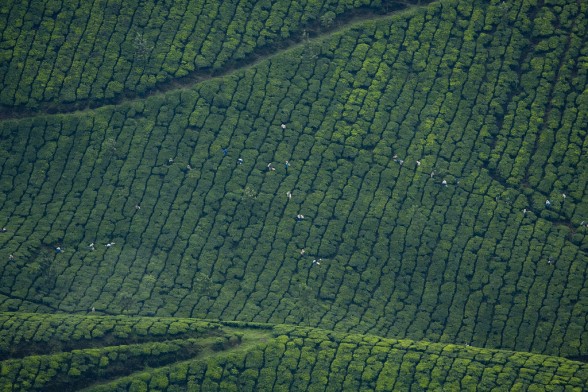
Tea Varieties and Cultivars
Plant Classification All plants are classified hierarchically by their division, class, subclass, order, family, genus, and species. They are also classified by variety and cultivar when necessary. Here's how the tea plant shakes out: Division [...]
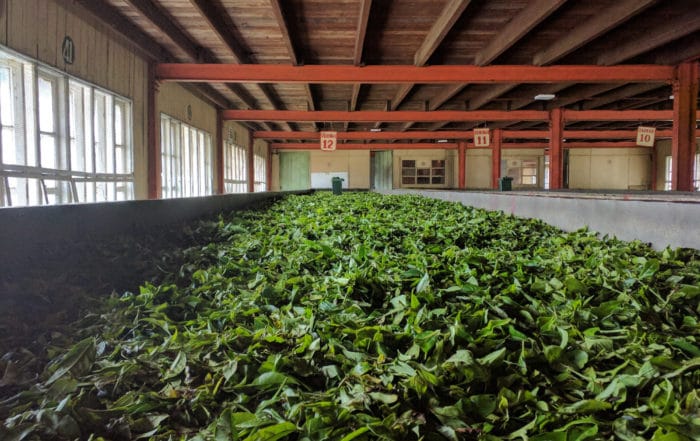
Tea Processing: Withering
What does "withering" mean in tea processing? That the moment a tea leaf is plucked from the tea plant, it begins to wilt naturally, a process we call withering. But once the tea leaves reach [...]
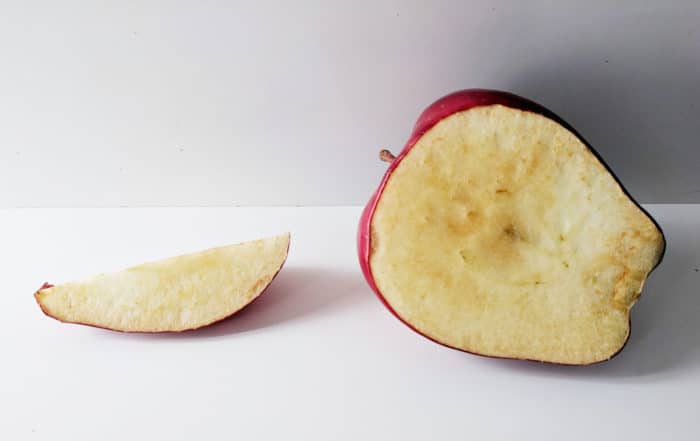
Tea Processing Step: Oxidation
What is Oxidation? Oxidation refers to a series of chemical reactions that result in the browning of tea leaves and the production of flavor and aroma compounds in finished teas. Depending on the type of [...]
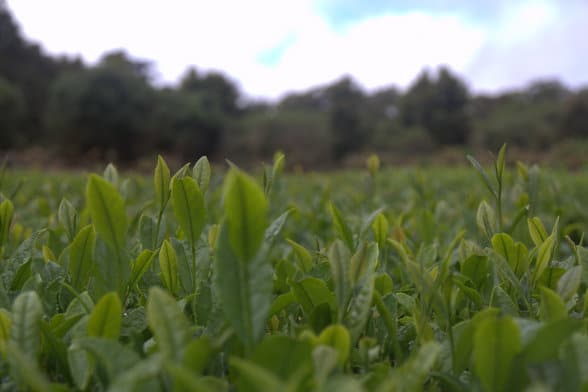
The Complete Guide to Tea Harvest Times
When tea leaves are harvested depends largely on the region in which they are being grown. The tea season can vary with fluctuations in weather. The timing of the harvest is of utmost importance, as [...]
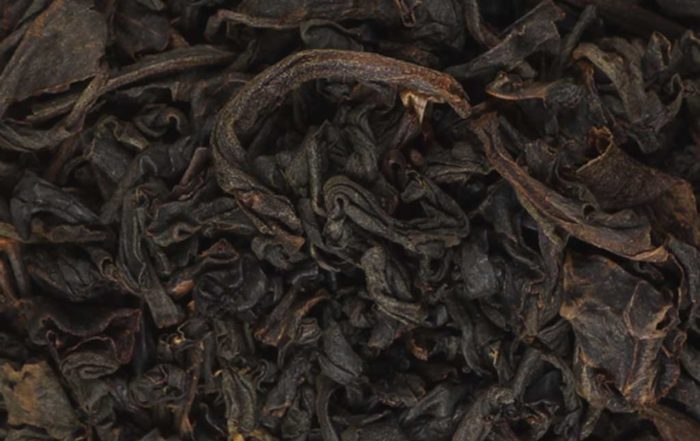
South Korean Balhyocha & Hwangcha
Venture With Me Down the Rabbit Hole I went down the rabbit hole as they say researching a single topic for my book, Tea: A User's Guide. This time the rabbit hole was related to [...]

Romanization of Tea Terms
What is Romanization? Romanization refers to the transliteration of any writing system to the Roman alphabet. Surprisingly little is understood within the tea industry when it comes to the romanization of tea terms. This to me is [...]

Multiple Infusions: About Re-Steeping Tea
Why re-steep tea? Why not? Re-steeping tea really brings out the value of a tea, you can get many servings of tea from just one serving of leaves. More bang for your buck, and you [...]
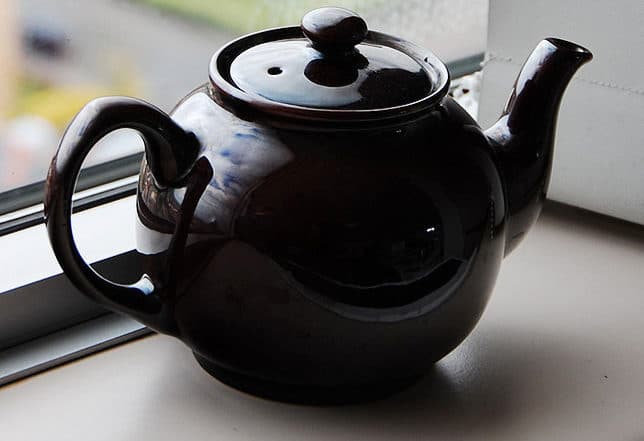
How to Store Tea Leaves Between Steepings
How do you store tea leaves between steepings. This is a question that I see often online. The root of the problem here is that the ideals of Eastern steeping methods are getting mixed up [...]

The Engineer’s Guide to Tea Preparation
The bulk of tea produced in the world is commodity tea, meaning that it is actively traded and it’s price is determined by the markets. Commodity tea is relatively cheap, with the worldwide average price [...]
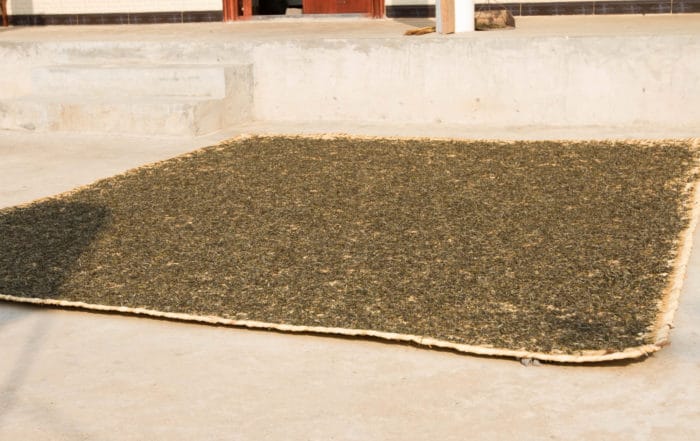
Tea Processing: Drying
What does "drying" mean in tea processing? An important step of tea processing, and something that all teas must go through to be considered shelf-stable is drying. Drying both makes the tea leaves shelf [...]

Tea Authenticity and Geographical Indications
You may be wondering why teas named after their origin or teas that are unique to their origin are not protected by law. Such protection exists for France’s Champagne and Italy’s Parmigiano-Reggiano, but do origin-specific [...]
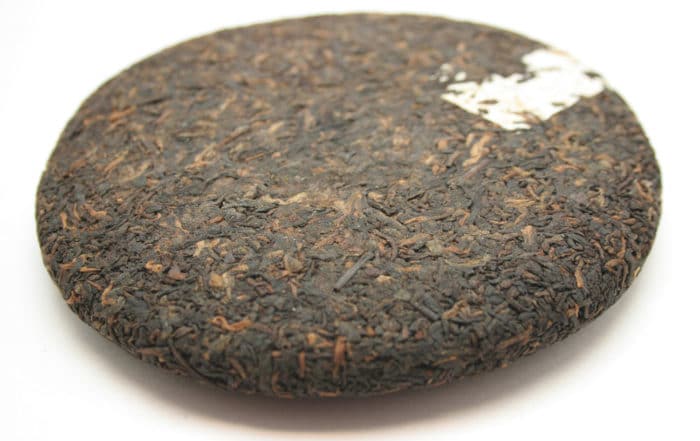
What is Puer Tea?
Puer 普洱 (pǔ ěr) is arguably the most famous fermented tea in China. Widespread speculation led to a meteoric rise in Puer popularity and price, with a tenfold increase in prices seen from 1999 [...]